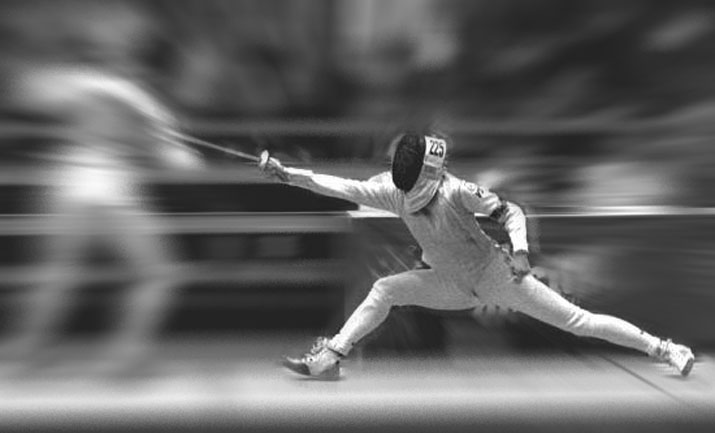
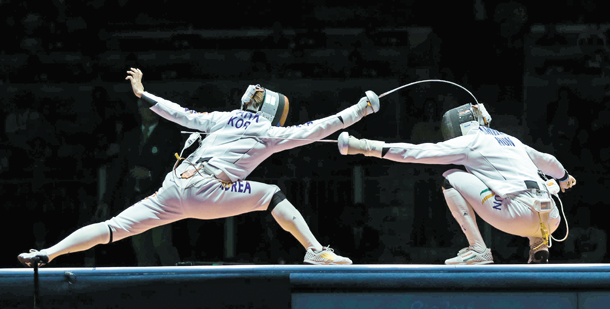
When a lunge is executed, explosive forward movements demand precise joint alignment and load control. Incorrect biomechanics can cause issues such as stress on the knees, lower back, and hamstrings.
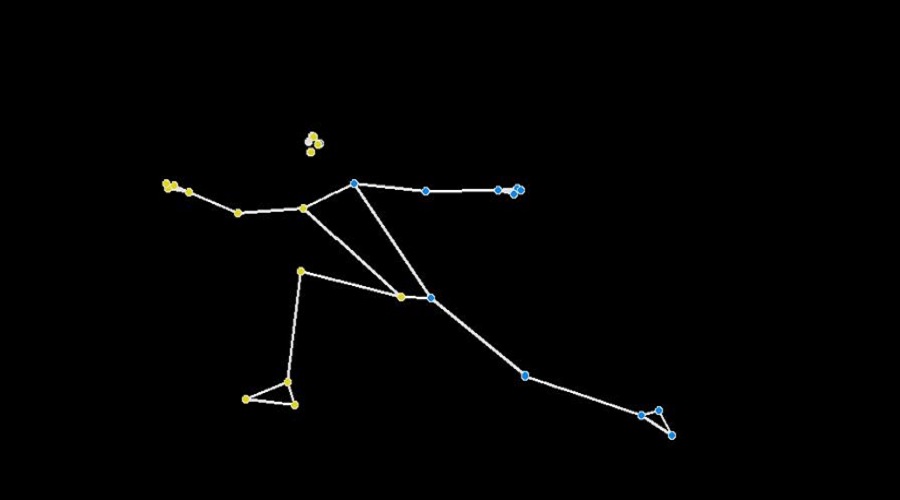
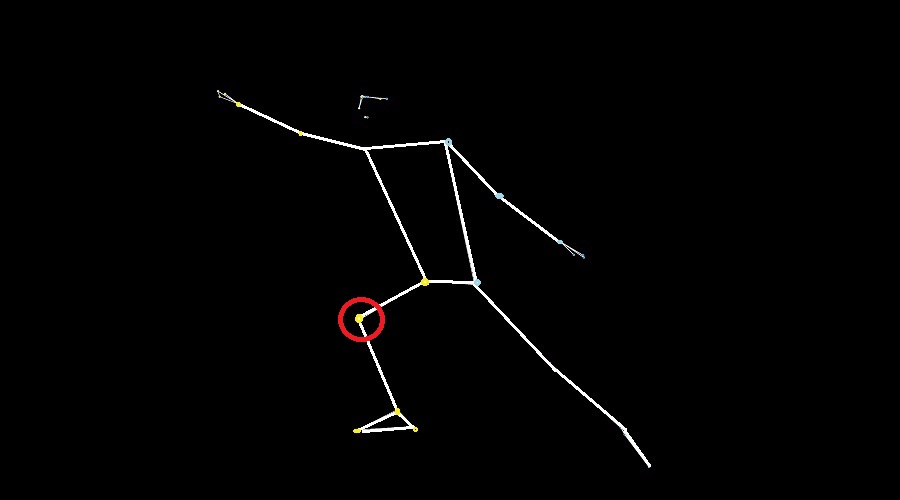
The front knee absorbs significant impact during a lunge. Research indicates that allowing the knee to anteriorly translate as shown on the right results in high peak loads and increases strain on the patellar tendon. This can result in patellar tendinopathy, commonly known as "jumper's knee." ( Zellmer et al., 2017). Proper form is on the left, where the knee stays directly above the ankle.
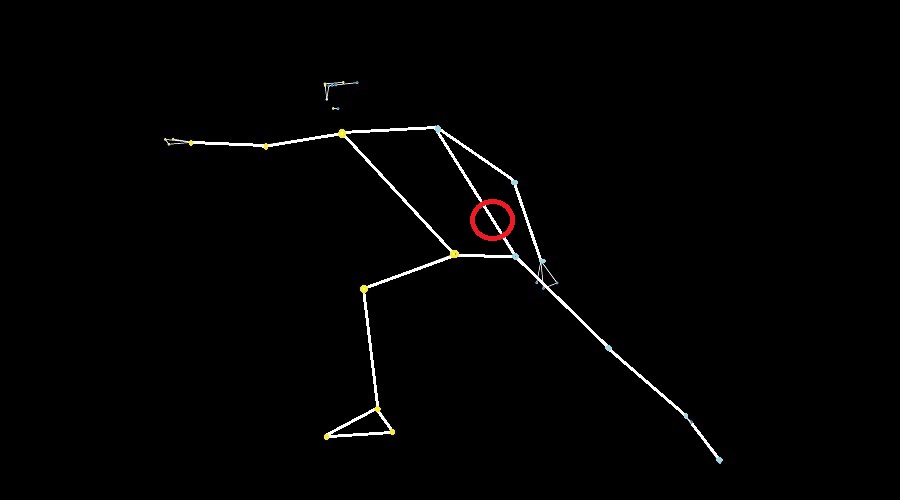
An arched posture without counterbalancing with the non-dominant arm as shown on the right forces the lower back muscles to compensate. Repeated recovery from this position increases strain and can lead to chronic back pain. (Cross et al., 2024). The left diagram shows proper form with the back remaining straight and the non-dominant arm extended backward.
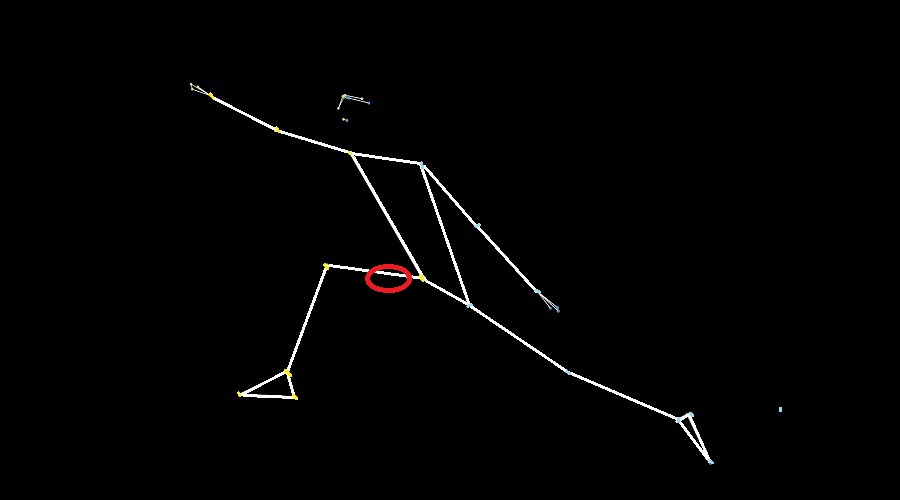
The right diagram illustrates an overextended front leg and an excessively long lunge, causing the hamstring to take significant load while stretched near maximum length, making them vulnerable to sudden strains or tears. (Silva et al., 2024). The left diagram displays a proper form with a 90-degree angle at the front knee.
A small preparatory step as shown on the left are the most efficient mechanics for horizontal acceleration and velocity. In contrast, a large preparatory step as found on the right leads to a limited gain of distance from the lunge.